

読みもの
更新日:2026年2月3日
Vol.0 :
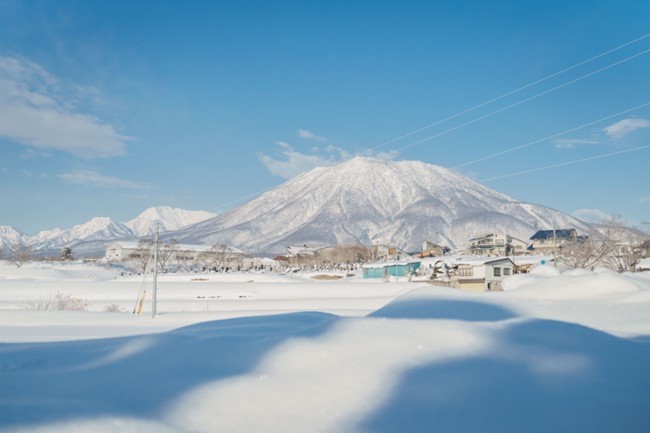
Surrounded by 3,000 meter mountains, Nagano Prefecture offers distinct seasonal changes. Especially in winter, the differences in climate are clearly visible due to the terrain that stretches 220 kilometers from north to south. While the northern part of the prefecture, which is one of the heaviest snowfall areas in Japan, is buried under deep snow, the central and southern parts of the prefecture boast one of the highest rates of clear skies in Japan, with dry air on the plains and severe cooling due to radiative cooling. The snow that accumulates in the mountains, including the Japan Alps that run from north to south and separate the prefecture from the rest of the country, eventually melts and turns into water that enriches the fields at the foot of the mountains and nurtures.
Nagano Prefecture’s sake has been nurtured by taking advantage of the prefecture’s climatic characteristics. Currently, there are 78 sake breweries in the prefecture, the second largest in Japan. While some sake breweries are well known throughout the country, many of them are small but meticulously brewed. Just as the landscape differs from village to village separated by mountains, the wisdom and customs of the people who have survived in these areas have nurtured traditions, food culture, and temperament, which is why many unique sake breweries are still in existence.
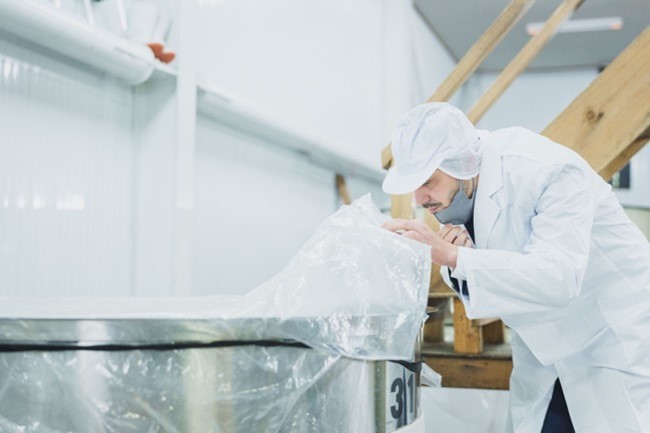
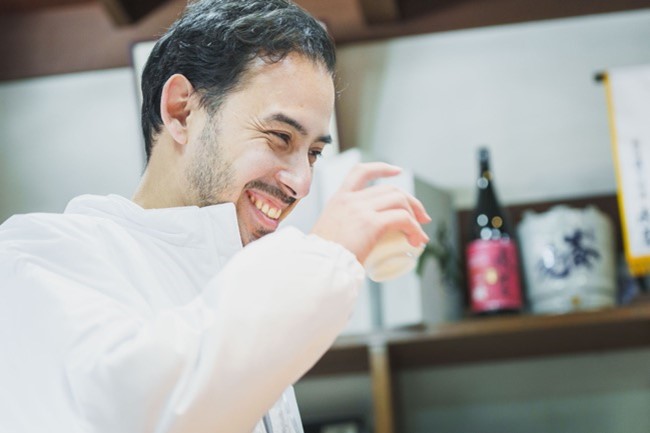
A “sake evangelist” has come to Japan from France to focus on such sake from Nagano Prefecture. Mr. Ly Youlin, who has a sake store “La Maison du Sake” with a restaurant in the center of Paris, is a leading figure in the promotion of Japanese sake in France. He visited 12 sake breweries in Nagano Prefecture. Water, rice, and people are indispensable for sake brewing,” he said, noting in particular the cool and crisp water of Nagano Prefecture.
The water of Nagano Prefecture has a delicious flavor that penetrates easily into the body, like being bathed in negative ions in a forest,” he said. The charm of sake made with clean water, carefully nurtured rice, and people working hand in hand and putting their heart and soul into it can be felt the moment it touches your mouth.. His journey across the sake brewery took four nights and five days, covering more than 500 kilometers.
In this series, we share with you his journey to discover the potential of sake rooted in each region and the charm of each brewery, while experiencing the climate of Nagano Prefecture and the thoughts of its brewers. In Vol. 1, we report on our visit to the northern part of the prefecture, where snow is abundant, and in Vol. 2, we report on our visit to the eastern and central parts of the prefecture, where the temperature difference between day and night is extreme.
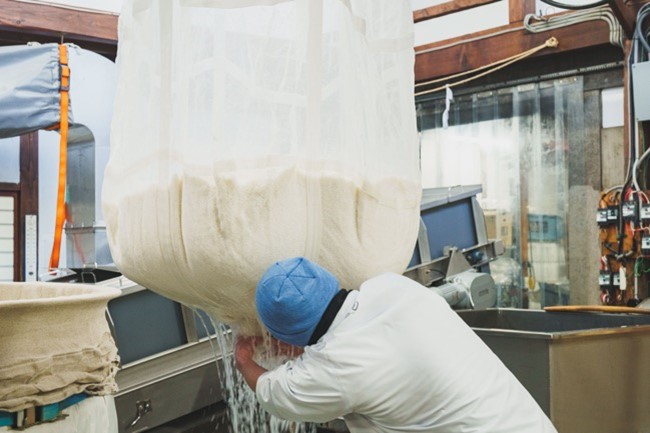
Vol.1 :
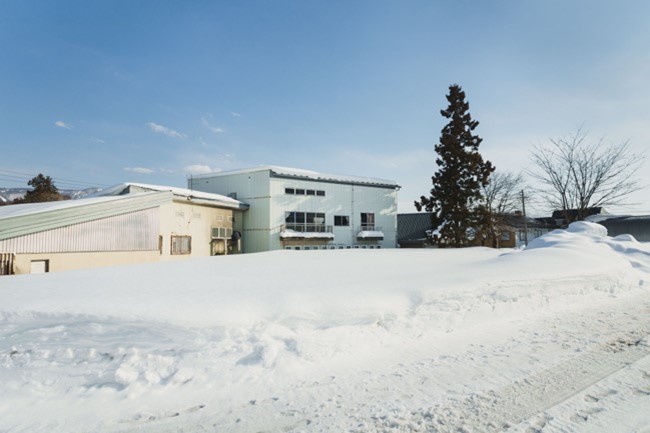
When Youlin visited northern Nagano Prefecture, he was first surprised by the abundant snow. Having been born and raised in Paris, and having spent time in Tokyo and Kyoto during his study and working holiday in Japan, the snowy landscape was new. His excitement was evident in the video conversation he had with his family in Paris, who stayed behind.
He visited three sake breweries in the area. All of the breweries are located in areas with heavy snowfall in winter.
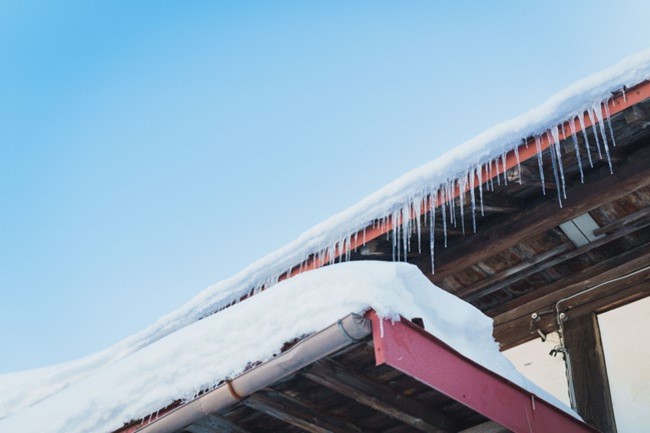
Takahashi Sukesaku Sake Brewery in Shinanomachi, surrounded by mountains, is located on the edge of the alluvial fan-shaped area and uses natural spring water from the site as its brewing water. Youlin praised this natural water for its “pure and clear flavor with a hint of snow.
※長野県北部の盆地から望むことができる5つの山の総称
Another notable feature of the brewery was Sankeiniishiki, a new variety of sake rice from Nagano Prefecture that was registered in 2020. Youlin describes Sankeinishiki as “a rice that fits the climate of Nagano Prefecture. I look forward to Sankeinishiki, which did not exist five years ago, leading to the birth of a new generation of sake,” he said.
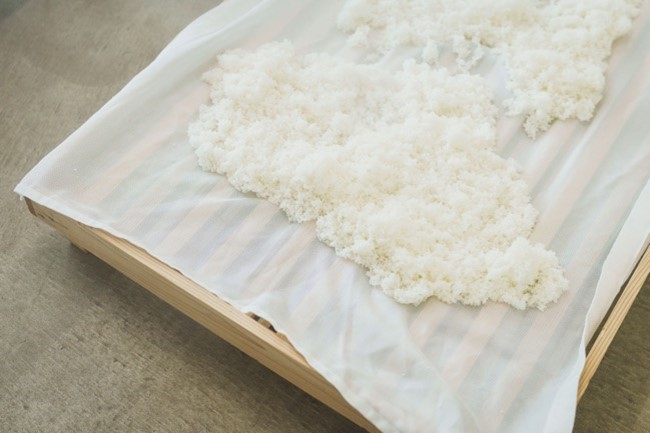
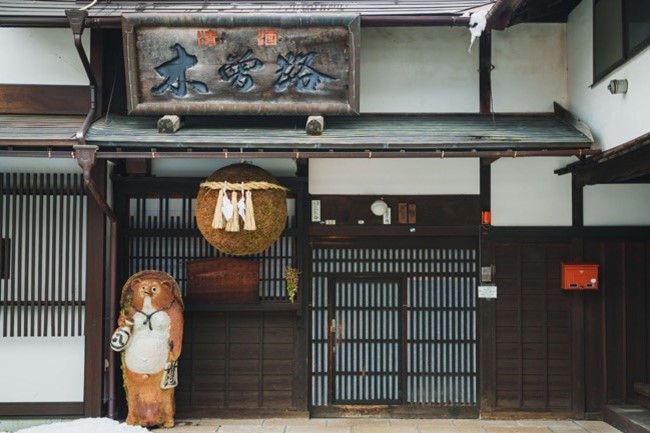
Further north, Tanakaya Brewery, the brewer of the famous sake “Mizuo,” uses natural water from Mount Mizuo, about 15 km away from the brewery. However, the fine texture of the soil gives the water some weight and fuller taste than the mineral content due to the filtering effect.
In addition to this water, the brewery’s sake rice is also unique. “Kinmon-nishiki” was once so rare that it was called the “phantom sake rice,” but the brewery had managed to revive it locally after much hard work and is now used in most places.. The brewery’s spirit of “doing things our own way and competing with what is available locally” is evident throughout the brewery. The spirit of the brewery can be felt here and there.
“I felt that the surrounding environment, including the brewers and the landscape, is also important for sake. Especially in this area, there is a lot of snow, and I feel the unique culture deeply,” said Youlin. I could sense the strong potential for sake in Nagano Prefecture, not only from the clean water, but also from a variety of other factors.
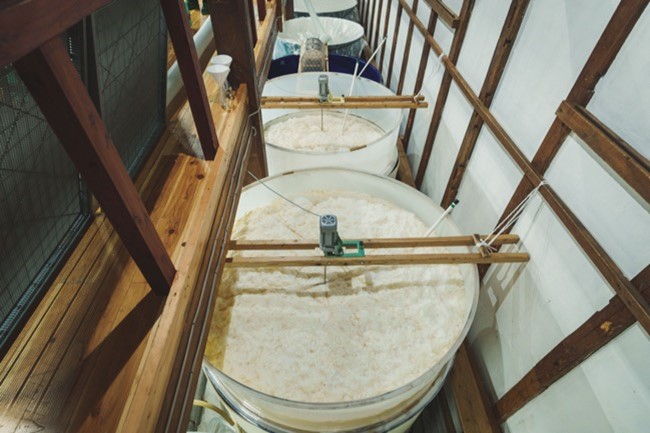
Further north. As the snow deepens, the Kadoguchi Sake Brewery, the northernmost sake brewery in the prefecture, comes into view. The brewery’s sake “Hokko-Masamune” used to be distributed only in this area, and people used to spend long winters drinking this sake with preserved food such as Japanese pickles. That is why the dry and sharp taste that can be drunk every day, although not flashy, is at the root of sake brewing. What makes this brewing stand out is the flavor of the spring water.
Hiroya Muramatsu is the leading young toji (chief sake brewer) in the prefecture. The brewery’s young group of brewers, also in their 20s and 30s, is aggressively introducing new techniques into sake brewing. Like Tanakaya Sake Brewery in the same city, this brewery also uses locally produced Kinmon-nishiki, but the fact that it produces a fuller flavor with less bitterness and astringency proves that even if the same ingredients are used, the taste of sake reflects the brewer’s ideas and persistence.
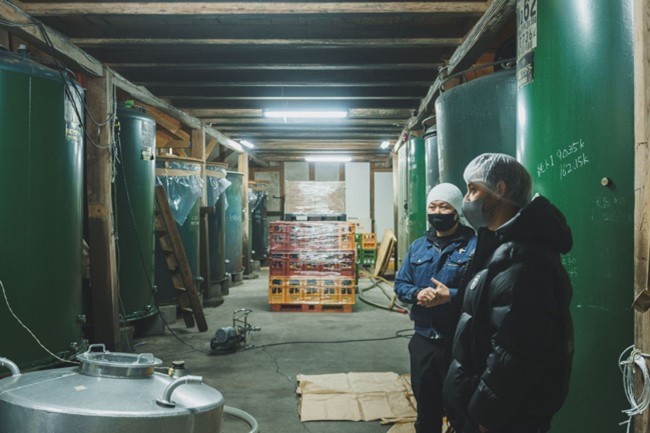
Youlin described the brewery's sake as "highly skilled yet delicate, with a strong taste of water and yeast, and a good balance with a gentle aroma."
Looking back on the three breweries, he said, “I am glad to hear the brewers talk about water, which is an important ingredient of sake. Each water has a good quality that is clear and familiar to the body, and you can feel the complexity of the climate, such as the snow quality, soil, and geology. I enjoy feeling the connection between the landscape and the taste of sake.” From his words, he seemed to realize once again the culture of water that has taken root in the sake breweries of Nagano Prefecture.
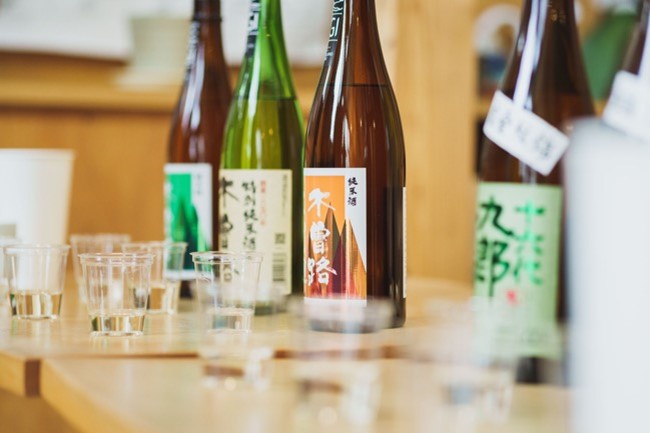
Vol.2 :
Youlin visited a sake brewery in the Saku region of eastern Nagano Prefecture, the uppermost reaches of the Chikuma River, the longest river in Japan. He had an opposite impression of the sake breweries in the northern part of the prefecture. In contrast to the refreshing sake from the northern region, the sake from this region has a strong, sweet, umami flavor with a strong rice taste.
This is because this region is famous for its high-quality rice, including the local rice, which has a strong sticky and sweet character. Due to its unique inland climate with a clear stream, fertile soil of strong clay or sandy soil derived from the Chikuma River, and a large difference in temperature between day and night. The cool climate and low precipitation also help to minimize pests and diseases, which is another reason why this has become a strong rice-producing region.
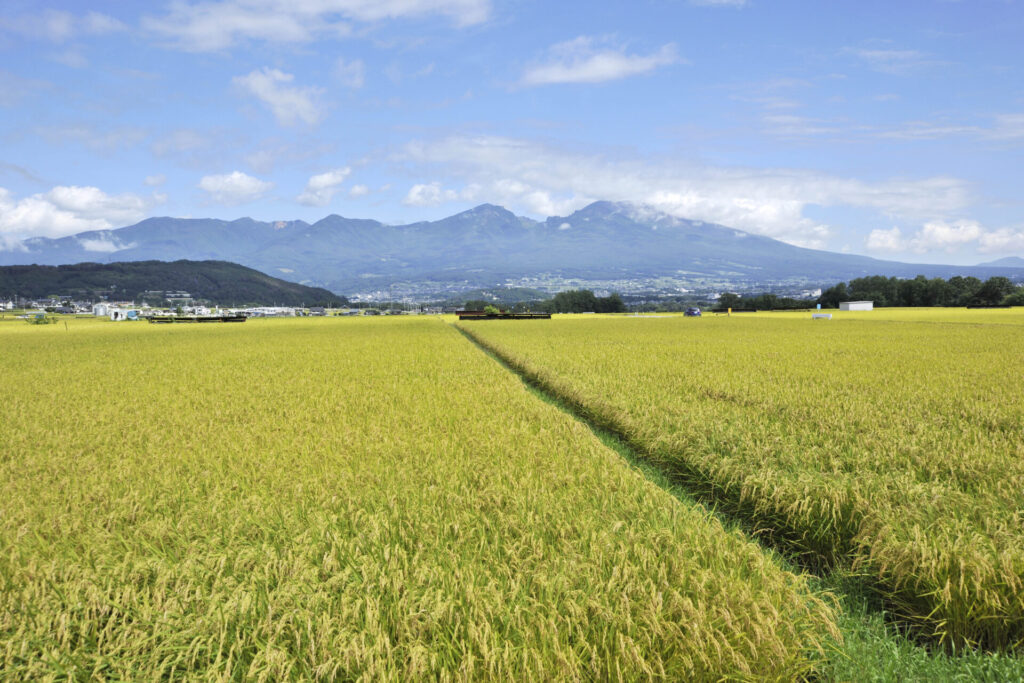
In such an area, the “Akanesasukai” has been working for 20 years on sake brewing that makes the most of local characteristics, centering on farmers
who are striving to grow better rice through organic farming methods and the Tsuchiya Sake Brewery, which uses locally produced sake rice as its raw material. The group’s concept is to respect the local terroir, brew good sake through organic sake rice cultivation, and enjoy rice cultivation and sake brewing together with sake-loving friends.
Their attitude has been highly praised, and the sake they brewed was selected to represent the Nagano Pavilion at the 2005 World Exposition in Aichi, Japan.
“I had the impression that there were many sake from Nagano Prefecture with a watery flavor, but I had no idea there was a ‘rice’ type sake that was also suitable for aging,” said Youlin.
In fact, Nagano Prefecture is also the third largest producer of sake rice in Japan. In the past, the prefecture relied on sake rice from outside the prefecture, but the development of sake rice suited for Nagano’s cool climate has helped Nagano grow to its current position.
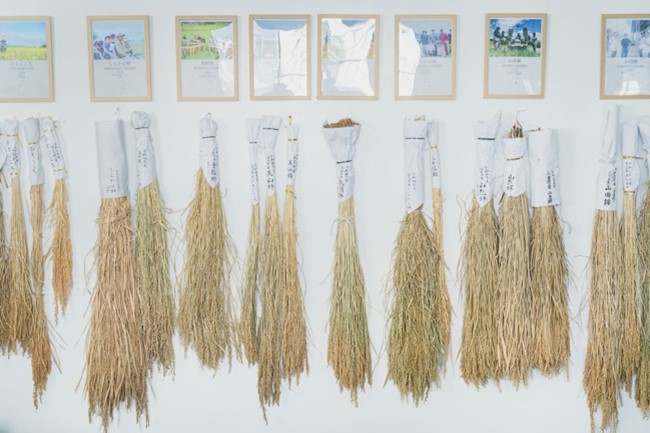
One brewer that symbolizes this is Toshimaya, located on the shore of Lake Suwa in the center of Nagano Prefecture. Here, a total of seven varieties of Nagano sake brewing rice, including “Kinmon-Nishiki” and “Sankeinishiki,” are used according to the characteristics of the product.
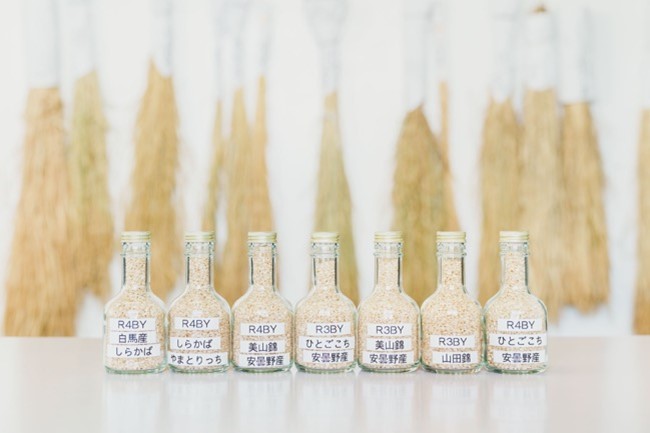
The Suwamikotsuru Sake Brewery, also by Lake Suwa, brews sake with the same yeast and rice polishing, but with different rice varieties. The idea of “sake with clean water” seems to have changed significantly within Youlin.
“I could taste the deliciousness of the rice not only in the sake, but also at lunch, for example. Besides, I didn’t think there were so many kinds of rice suitable for sake brewing in Nagano Prefecture. I didn’t realize there were so many varieties of rice suitable for sake brewing in Nagano Prefecture, while other prefectures might have two or three.”
Youlin revealed his surprise and impression of Nagano’s sake not only through his words, but with his attitude and how he approached the sake.
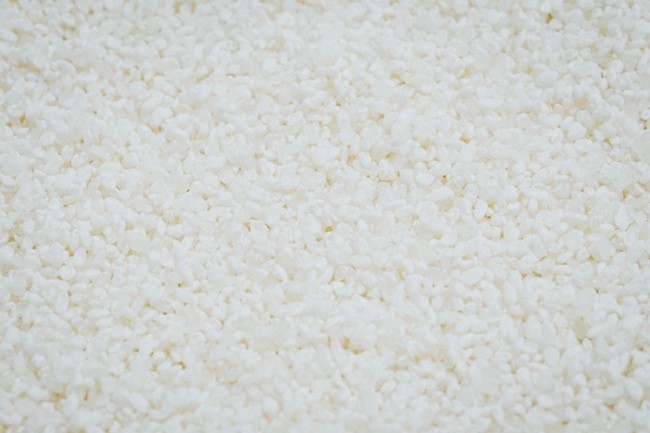
Because the area around Lake Suwa is served by two of the five major highways connecting Tokyo and Kyoto that were established by the shogunate in the 1600s and 1700s, the area has prospered as travelers have come and gone for a long time. Along the roads, teahouses and historic sites still remain, and the culture brought by travelers is still alive as a tradition.
The influence of the highway can be seen in the other regions of Nagano Prefecture as well. About 90% of the land in the Kiso region is covered by forests, and since rice cultivation was not possible in the region due to the limited arable land, trees were planted as tribute instead of rice. It is also said that a lot of rice came into the Kiso region through the distribution of highly valuable forest resources.
The Yukawa Sake Brewery, which has a brewery in a post town along the Nakasendo/Kiso Road, has developed by using this rice for sake brewing, thus circulating the economy of this region. Therefore, the brewery’s identity is also based on the use of sake rice not produced in Nagano Prefecture. Cultural exchange also supports the diversity of sake in Nagano Prefecture.
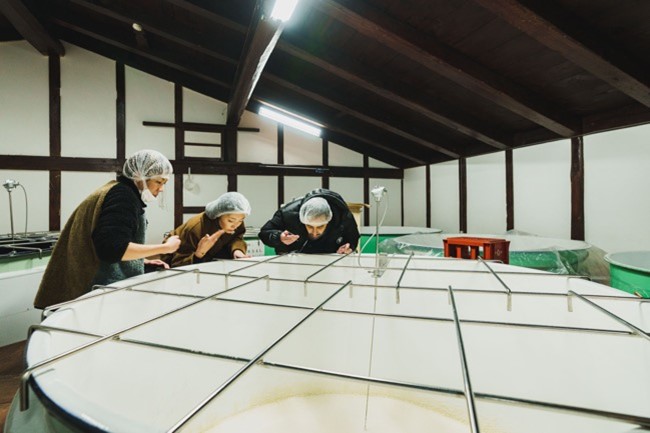
He says, “I have long thought that the flavor impressions of both sake and wine are determined by a variety of influences, not only the ingredients and composition, but also the people, scenery, environment, and vision of why the sake is being made. I also felt that both types of sake taste better because people respect their makers. In this context, all of the breweries we visited in Nagano Prefecture talked first about water and rice grown in the region when discussing sake, and I sensed that they place great importance on terroir. What also surprised me was the rich variety of sake from Nagano Prefecture. Not only is the water good, but there are also naturals (natural yeast) sake and rice types. Each sake brewer is highly skilled and expressive. I feel that there is more variation than with wine. The awareness of the sake makers that they want to make sake for the local people was also great.”
Mr. Youlin concluded his rich and focused trip in the following way:
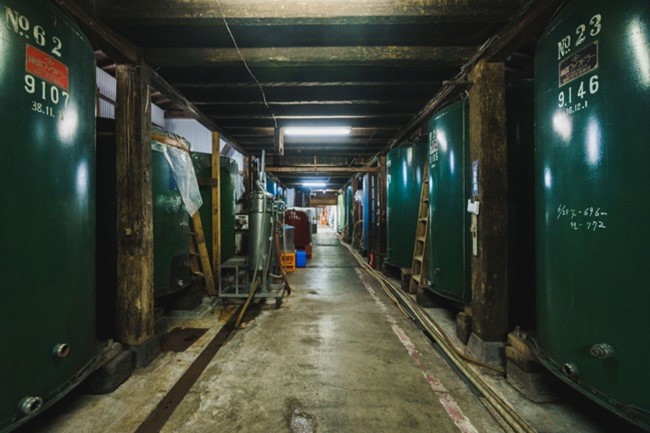
Sake brewing requires high-quality water and rice nurtured in the landscape of each region, and the yeast and koji that make the best use of these ingredients. These are controlled by the skill of the brewer and the sensitivity fostered by history, tradition, and culture. In a broad sense, sake is like a mirror reflecting the terroir itself. The sake breweries that exist in each village are the proof and symbol of the diversity of Nagano Prefecture.
酒造りは、各地のランドスケープによって育まれる良質な水と米、そしてその原料を生かす酵母と麹の働きが欠かせません。それらをコントロールするのが、造り手の技術と、歴史や伝統、文化によって育まれた感性。言うなれば、日本酒は広い意味でテロワールそのものを映す鏡のようなもの。集落ごとに存在する酒蔵こそが、長野県の多様性の証明であり象徴なのです。